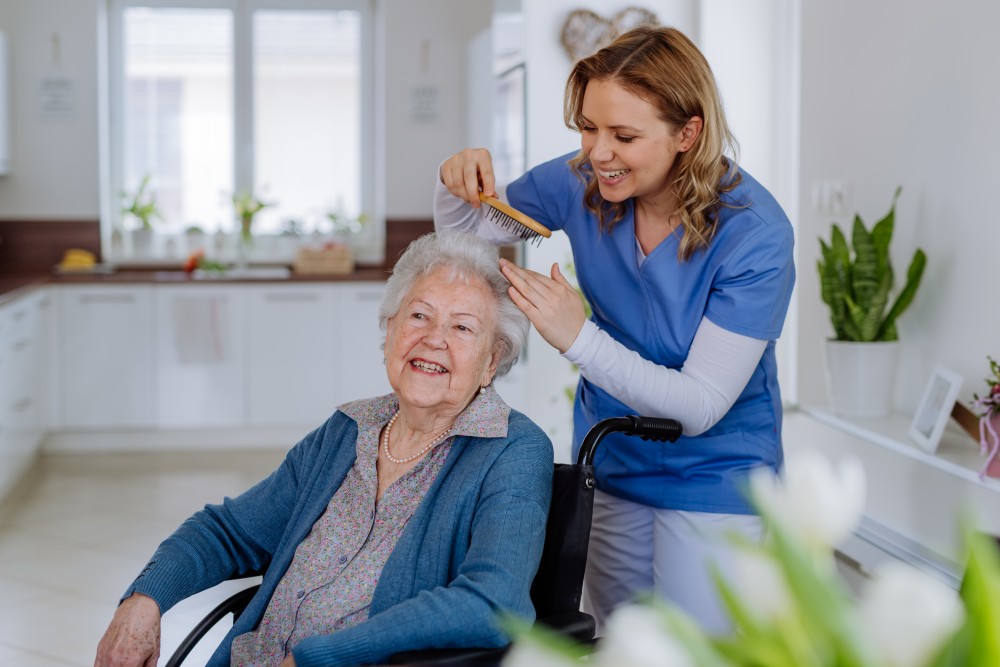
For many people, home is more than a place to live. It is where routines feel familiar, memories are held, and daily life feels most comfortable. As people age, recover from illness, or live with disability, staying at home can become harder without the right support. This is where personal care services play a vital role.
This care is not only about practical help. It supports dignity, protects health, and helps people keep control over their lives. With the right assistance, many individuals can remain in their own homes for longer, rather than moving into residential care before it is truly needed. For seniors and their families, that can make a huge difference to quality of life.
This article explores why personal care services are essential for independent living, how they support safety and autonomy, and why they are a key part of domiciliary care across the UK.
Why Independent Living Matters
Independent living does not always mean doing everything alone. In practice, it means having choice, control, and the ability to live in a way that reflects personal preferences and values. A person may need help with washing or getting dressed, but still make their own decisions, maintain their own routines, and stay connected to their community.
For many older adults, remaining at home supports:
A stronger sense of identity
Better emotional comfort
Familiar surroundings and routines
Greater contact with neighbours, friends, and family
More control over daily life
Without proper support, however, independence can be lost bit by bit. Missed meals, falls, poor hygiene, medication errors, and social withdrawal can all place someone at risk. Care helps prevent this decline by making everyday living more manageable and safer.
Personal Care Protects Dignity
One of the strongest reasons this care matters is dignity. Needing help with intimate tasks can feel deeply personal and, at times, uncomfortable. Sensitive and professional care makes all the difference.
Good care services are built on respect. Care workers should protect privacy, communicate clearly, and support people in ways that preserve self-respect. That might mean helping someone wash while allowing them to do as much as they can for themselves, or making sure choices about clothing, routines, and hygiene are always honoured.
Dignity is not a minor issue. It affects confidence, mental well-being, and the willingness to accept support. When people feel rushed, ignored, or embarrassed, they may resist care, even when they need it. When they feel respected, they are more likely to engage with services that improve their daily lives.
Respecting Personal Choice
A good care plan should never be one-size-fits-all. Everyone has different routines, cultural expectations, and comfort levels. Some people prefer a bath in the evening, others a shower in the morning. Some may want support from a carer of the same gender. Others may have preferences linked to religion, modesty, or long-held habits.
Recognising those preferences helps turn care into a partnership rather than a form of control. That is a key part of independent living.
Personal Care Improves Safety at Home
Safety is another major reason these care services are essential. Many everyday tasks become riskier with age, illness, or reduced mobility. A wet bathroom floor, difficulty standing from a chair, or confusion around medication can all lead to serious harm.
Professional carers are trained to identify and reduce risk. Their support may help prevent missed medication, infections, and unsafe movement around the home.
Even a short daily visit can provide important reassurance. It creates a regular point of contact and allows early detection of changes in health or behaviour.
Physical Health Monitoring in Daily Care
One often-overlooked benefit of personal care is informal health monitoring. Care workers are not there to replace nurses or doctors, but they are often the people who see clients most regularly. That means they may spot early warning signs before they become urgent.
These observations can then be passed to family members, care managers, GPs, or community healthcare teams. Early action can prevent hospital admissions and reduce the risk of a small issue becoming a major problem.
In this way, care supports not just comfort, but ongoing health protection.
Supporting Autonomy, Not Replacing It
A common misunderstanding is that receiving care means giving up independence. In reality, the opposite is often true. The right level of personal care allows people to keep doing what matters most to them.
If someone gets help with washing, dressing, and medication in the morning, they may then be able to enjoy the rest of the day with greater ease. They might attend a local group, spend time in the garden, prepare lunch, or relax without the strain of struggling through tasks that have become difficult.
This is what autonomy looks like in practice. It is not about refusing help. It is about receiving enough support to continue living life on your own terms.
Encouraging Ability Where Possible
The best personal care services do not create dependence. They encourage involvement. Care workers often support people to do what they can, while stepping in only where needed. This approach helps maintain strength, confidence, and routine.
For example, a person may be able to wash their face and upper body independently but need help with lower-body washing due to balance problems. Another may choose their clothes and dress themselves with some support for fastenings. These small acts matter. They preserve skills and reinforce self-worth.
Emotional Well-Being and Social Connection
Independent living is not only about physical survival. Emotional well-being matters as much. Many people who need personal care also face loneliness, anxiety, grief, or frustration linked to changing health.
Regular visits from a trusted carer can offer more than task-based support. They bring conversation, reassurance, and human contact. A familiar face each day can reduce isolation and help someone feel seen and valued.
This emotional benefit should not be underestimated. People who feel supported are often more confident, more willing to engage in daily routines, and less likely to withdraw. For someone living alone, even a brief and friendly interaction can improve the tone of the entire day.
Reducing Fear and Anxiety
Loss of confidence can quickly undermine independence. After a fall, illness, or hospital stay, many people become fearful about managing alone. Personal care services help rebuild that confidence by creating structure and support.
Knowing that someone will arrive to help in the morning, assist with bathing safely, or check that medication has been taken can ease worry for both the person receiving care and their loved ones.
The Role of Domiciliary Care in the UK Healthcare System
In the UK, domiciliary care is a key part of the wider health and social care system. It enables people to receive support at home rather than in hospitals or care homes, wherever possible. This is increasingly important as the population ages and demand for services grows.
Personal care delivered through domiciliary care supports national healthcare goals in several ways. Local authorities, private providers, and NHS-linked services may all play a role in arranging or delivering care, depending on individual circumstances. Some people fund their own care, while others receive support following needs assessments and financial assessments.
What matters most is that home care often provides a practical and humane alternative to more restrictive settings. For many individuals, it is the bridge that makes a continued home life possible.
A Preventive Approach to Care
Domiciliary care is not simply a response to crisis. At its best, it is preventive. By supporting people early with personal care, mobility, and routine services, they can slow decline and reduce the need for more serious interventions later.
That preventive role is essential in a stretched healthcare environment. When people are well supported at home, outcomes are often better, and systems work more efficiently.
The Impact on Family Carers
Family members often provide a huge amount of unpaid care. They may help with washing, dressing, meals, shopping, medication, and appointments, while also managing jobs, children, and their own health needs. Over time, this can become exhausting.
Personal care services can ease that pressure. They do not replace family involvement, but they can share the load and provide trained support for sensitive or physically demanding tasks.
For many families, bringing in care support also improves relationships. Instead of every visit revolving around tasks, relatives can spend more meaningful time together.
Reassurance for Loved Ones
Families often worry about whether their loved one is coping day to day. Regular personal care visits provide reassurance that someone is checking in, noticing changes, and helping maintain safe routines. This is especially valuable when relatives live far away or cannot be present every day.
Choosing Personal Care That Supports Independent Living
Not all care feels the same. Quality matters. Good care should be reliable, respectful, and tailored to the individual. It should support independence rather than unnecessarily take over.
When assessing services, families should consider:
Staff training and experience
Consistency of carers
Communication with family and professionals
Respect for preferences and routines
Flexibility as needs change
Clear care planning and review processes
The aim should always be to build a support system that helps the person stay safe, well, and in control.
Final Words
Personal care services are essential for independent living because they sit at the intersection of dignity, safety, and autonomy. They help people manage the most personal parts of daily life with respect and confidence. They reduce risk, support physical health, improve emotional well-being, and enable many individuals to remain at home longer.
They also play a vital role in the UK’s domiciliary care system by preventing crises, supporting recovery, and easing pressure on families and healthcare services. Most importantly, care allows people to keep living in familiar surroundings with the support they need to do so well.
Independent living does not mean facing life alone. With the right care, it means having the freedom to remain yourself, in your own home, with dignity intact.
Do you want compassionate personal care? Just contact us to get quality care.