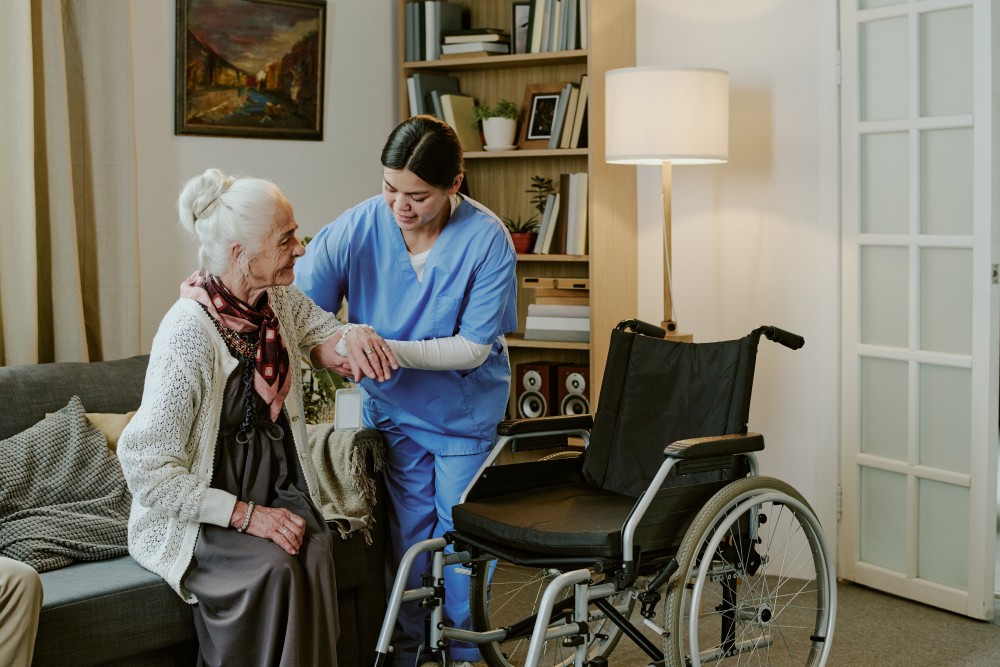
The UK care sector is changing fast, and one clear trend stands out: demand for home care services is rising across the country. Families, older adults, healthcare professionals and local authorities are all paying closer attention to care at home. And it is not hard to see why.
More people are living longer. More families want flexible support that helps loved ones stay in familiar surroundings. The NHS and social care system are under real strain. Residential care placements can be hard to secure, and many people simply prefer not to move into a care home unless it is necessary.
For many households, home care services now offer a practical and compassionate answer. They can provide help with daily tasks, personal care, medication support, companionship and specialist assistance, all while allowing people to remain in the place they know best: home.
In this article, we will look at the main reasons why demand is growing across the UK. We will explore the ageing population, the wish to age in place, the long shadow of the COVID-19 pandemic, pressure on NHS and social care funding, the value of personalised care, the role of technology and the shortage of residential care placements. It is a big topic, but an important one, and the direction of travel is clear.
The UK’s Ageing Population is Increasing Demand
One of the biggest drivers behind the growth of home care services is the UK’s ageing population. People are living longer than previous generations, which is something to celebrate. But longer lives also bring a greater need for support with long-term health conditions, mobility issues and daily living.
Across the UK, the number of people aged 65 and over continues to grow. The number of people aged 85 and over is also rising, and this age group is more likely to need regular care. Conditions such as dementia, arthritis, frailty, stroke-related disability and heart disease often require ongoing help rather than one-off treatment.
It creates a simple but urgent reality: more people need care, and many need it over a longer period of time.
Longer Life Expectancy Brings More Complex Care Needs
Living longer does not always mean living in perfect health. Many older adults manage multiple conditions at once. Someone may need support with washing and dressing, reminders to take medicines, help preparing meals and assistance getting to appointments.
That is where home care services can make a huge difference. Instead of forcing people into a one-size-fits-all setting, care can be shaped around their health, routine and preferences.
Families are Balancing Care with Work and Other Responsibilities
Another major factor is the pressure on unpaid carers. Many family members do incredible work looking after parents, partners or relatives. But it can be exhausting. Trying to juggle employment, childcare and caring duties is not easy, and in many cases, it is simply not sustainable without outside support.
Professional home care can ease that pressure. Even a few visits a week can give families breathing room, reduce stress and improve the quality of care overall.
More People Want to Age in Place
If you ask most people where they would like to receive care, many will say the same thing: at home. That preference is a powerful reason why home care services are growing across the UK.
Home is not just a building. It is routine, comfort, memory and independence. For older adults, especially, staying in familiar surroundings can protect confidence and emotional well-being.
Home Offers Comfort, Dignity and Independence
Moving into residential care can feel like a major loss. People may worry about giving up their privacy, their belongings, their pets or the small routines that make life feel normal. A cup of tea in a favourite chair, a walk in the garden, a chat with neighbours, these things matter more than many people realise.
Home care supports people without removing them from those daily comforts. Carers can help with practical tasks while encouraging individuals to remain as independent as possible.
Familiar Settings Can Support Mental Well-being
It is especially important for people living with dementia or cognitive decline. Familiar surroundings can reduce confusion and distress. Changes in the environment can sometimes make symptoms worse, while staying at home may help people feel safer and more settled.
I think this is one of the most human parts of the conversation. Care is not only about medical needs. It is also about identity, dignity and feeling like yourself. That is exactly why home-based support has such a strong appeal.
The COVID-19 Pandemic Changed Care Choices
The pandemic had a lasting effect on how people think about care. It exposed weaknesses across health and social care systems and pushed many families to reconsider what safe, appropriate care looks like.
During and after COVID-19, many people became more cautious about communal living settings. News coverage of outbreaks in care homes left a deep impression. Even as conditions improved, families remained more aware of infection risks and the vulnerability of older residents in shared environments.
Families Became More Aware of Home-Based Alternatives
For some, the pandemic was the moment they first seriously explored home care services. They discovered that care at home could be flexible, personal and, in some cases, less disruptive than moving into residential care.
This shift in awareness matters. Once families see that support can be brought into the home, they are more likely to view it as a long-term option rather than a temporary fix.
Hospital Discharge Patterns Also Increased Demand
The pandemic also accelerated efforts to discharge patients from the hospital more quickly when it was safe to do so. That trend has continued in many areas, partly because hospitals need beds and partly because recovery at home can be beneficial.
But for discharge to work well, people need support in place. That has increased reliance on home care, reablement teams and community-based care models.
NHS and Social Care Funding Pressures are Reshaping Care Delivery
Another major reason demand is rising is pressure on public services. The NHS faces heavy demand, workforce shortages and long waiting times. Social care funding has also been stretched for years, with local authorities struggling to meet rising needs.
It does not mean home care services are always cheap or easy to access, far from it. But it does mean policymakers and providers increasingly see home-based support as a vital part of a more sustainable care system.
Community Care Can Help Reduce Pressure on Hospitals
When people receive the right support at home, they may be less likely to be admitted to the hospital unnecessarily. Good home care can also help prevent falls, missed medication, malnutrition and worsening health conditions.
That matters enormously. Preventive care in the home can reduce emergency demand and help people stay healthier for longer.
Local Authorities are Prioritising Care at Home Where Possible
Councils across the UK often aim to support people in the least restrictive setting that meets their needs. In many cases, that means helping people remain at home for as long as possible. This approach can align with personal preference and system-wide efficiency, even though funding pressures remain severe.
The challenge, of course, is capacity. Demand for home care is growing faster than supply in some areas, which creates waiting lists and staffing difficulties.
Personalised Care is a Major Advantage
One reason families are drawn to home care services is that care at home can be more tailored to the individual. That personal touch is a huge strength.
In residential settings, staff often do excellent work, but they must support many residents at once. At home, care plans can often be built around one person’s habits, needs and goals.
Care Can Be Shaped Around Daily Routines
A personalised care package may include morning visits, meal support, medication reminders, companionship or specialist dementia care. It can also adapt over time as needs change.
That flexibility is valuable. Someone might start with a little help around the house and later need personal care or mobility support. Home care services can often grow in step with those needs.
Relationships With Carers Can Improve Quality of Life
Continuity of care is another big benefit. Seeing familiar carers can build trust and comfort. For older adults who may feel isolated, these visits can become an important social connection as well as a practical support.
Good care is about more than ticking tasks off a list. It is about noticing mood changes, spotting health concerns early and bringing warmth into the day. That is where personalised support really shines.
Technology is Making Home Care Services More Effective
Technology is also helping fuel growth in home care across the UK. It is not replacing human care, and it should not. But it is making home-based support safer, more responsive and easier to coordinate.
Digital Tools Help Monitor Health and Safety
Remote monitoring devices, fall detectors, medication prompts and wearable health technology can all support independent living. These tools can alert carers or family members if something is wrong, allowing quicker action.
Video consultations and digital care records also help professionals share information more efficiently. It can improve communication between carers, GPs, district nurses and families.
Smart Home Systems Can Support Independence
Simple technology can go a long way. Motion sensors, voice assistants and automated lighting can help people manage everyday life with less risk. For someone with reduced mobility or memory issues, these tools can provide reassurance and confidence.
As these systems become more common, home care services are likely to become even more appealing. They allow care to be proactive rather than purely reactive.
Residential Care Placements are Under Pressure
The shortage of residential care placements is another important part of the picture. In some parts of the UK, care home places are limited, especially for people with complex needs or dementia.
At the same time, operating costs for care homes have risen. Staffing shortages, regulation requirements, utility bills and inflation all put pressure on providers. Some homes have closed, while others have reduced capacity.
Limited Availability Pushes Families Towards Home Care Services
When suitable placements are not available nearby, families often turn to home care instead. In many cases, they would prefer that option anyway. But even for those considering residential care, availability can narrow the choices.
Home Care Can Delay or Prevent a Move into Residential Care
For many people, the goal is not to avoid care but to avoid an unnecessary move. The right support at home can delay entry into residential care by months or even years. That can be better for the individual and can ease pressure on the wider care system.
What the Future Looks Like for the UK Care Sector
Looking ahead, demand for home care services is very likely to keep growing. The long-term trends are all pointing in the same direction: an ageing population, higher public expectations, stretched healthcare systems and stronger preference for person-centred care.
We are also likely to see more integrated care models, where health services, local authorities and care providers work more closely together. Technology will become more embedded. Preventive support and early intervention will matter even more. And families will continue to look for flexible care that protects independence and quality of life.
There are still serious challenges to address. Workforce shortages remain a major issue. Carers need better pay, training and recognition. Funding reform is still badly needed. Access can vary by region, and not every family finds the system easy to navigate. These are real concerns, and they should not be brushed aside.
Still, the rise of home care reflects something positive as well as practical. It shows a growing commitment to care that fits around people’s lives, not the other way round.
Final Words
The demand for home care services is growing across the UK for several clear reasons. The population is ageing. More people want to age in place. The COVID-19 pandemic changed how families think about care settings. NHS and social care services are under pressure. Personalised support at home offers dignity, flexibility and comfort. Technology is making home care more effective, and shortages in residential care are pushing more families to consider home-based options.
Put all of that together, and the picture is unmistakable. Home care is no longer seen as a niche option. It is becoming a central part of how care is delivered across the UK.
For providers, policymakers and families, the key task now is to make sure that growth is matched by quality, access and proper support for the workforce. If that happens, the future of care could look more personal, more responsive and far more rooted in what people actually want.
Are you looking for compassionate home care services? Just connect with us for further details.