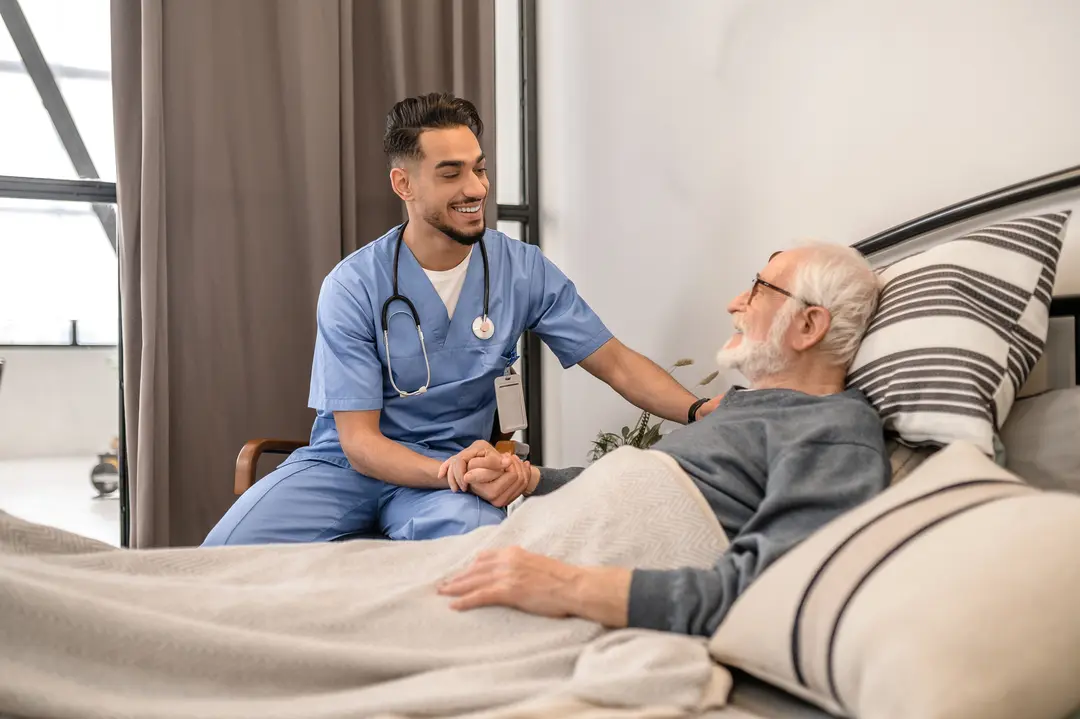
When someone has a disease that will kill them, the medical treatment plan is often the most important thing. Doctors issue prescriptions, specialists review charts, and appointments fill the calendar. But living with this kind of condition every day is a different kind of expertise than following clinical schedules and treatment plans. This is where the deeply human part of palliative care comes into play.
For patients and their families who are going through this tough time, support often comes from professionals who do more than just give medical care. They give you dignity, comfort, and a steady hand when things are unclear.
This article talks about how important nurses and carers are to palliative care services. We will look at how these people are the backbone of holistic support systems that help patients not only survive their diagnosis, but also live as fully and comfortably as possible until the end
What is Palliative Care?
Before talking about the specific jobs of staff, it's important to know what the service is all about. People often think of palliative care as only care for people who are dying. It does include the last stages of life, but its main goal is to make life better for people with serious illnesses.
This type of medical care is focused on helping people feel better by relieving their symptoms and stress. It is suitable for individuals of any age and at any phase of a serious illness, and it can be administered concurrently with curative treatment. The philosophy is simple but deep: treat the person, not just the illness
The Critical Role of Palliative Care Nurses
Patients often see nurses the most often. In a palliative setting, their role extends beyond conventional nursing responsibilities to include a specialised amalgamation of clinical proficiency and emotional acuity
Expert Pain and Symptom Management
One of the main goals of palliative care is to ease physical pain. Nurses are the first people to fight this battle. They are trained to carefully check for pain and other distressing symptoms like nausea, shortness of breath, or tiredness.
The goal of standard care might be to cure, but here the goal is to make the person feel better. A nurse has to keep checking to see if pain relief protocols are working and make changes right away if they aren't. They know how to give patients complicated medication schedules and deal with side effects so that the patient stays as alert and pain-free as possible
Acting as the Communication Bridge
Families who are already going through emotional trauma may find medical jargon hard to understand. Nurses often act as translators, turning complicated medical information into words that patients and their families can understand.
They connect the doctors to the patient's daily life. If a patient's condition changes or a family member is worried about a new symptom, the nurse is usually the first person to know and the one who tells the rest of the medical team. It makes sure that the care plan stays flexible and can adapt to the patient's changing needs
Providing Emotional and Psychological Support
Having a life-limiting illness takes a huge emotional toll. Nurses in this field listen to people's fears and worries. They give patients a safe place to talk about their feelings that they might be trying to hide from their families to "protect" them. Nurses are very important for the mental health of the people they care for because they listen to them and validate their feelings
Caregivers and Support Workers
Nurses deal with the more complicated medical issues, while carers (also known as healthcare assistants or support workers) take care of the basic tasks of daily living. Their help is very important for keeping a patient's dignity because it is personal and close
Preserving Dignity Through Personal Care
As an illness gets worse, patients often can't do simple things for themselves anymore. It can be very upsetting to lose your independence. Carers help with bathing, dressing, grooming and using the bathroom.
You need to be very careful when you do these things. An experienced carer knows how to wash and dress a patient without invading their privacy or taking away their freedom. By keeping the patient clean and looking good, they help the patient feel good about themselves and like things are normal, which illness often takes away
Companionship and Observation
Carers usually spend the most time with a patient in a row. Because they are so close, they are often the first to notice small changes in a patient's condition. A carer will notice and tell the nursing staff about any changes in appetite, confusion, or skin colour.
They offer more than just watching; they also offer important companionship. A carer may be the only person a patient talks to for hours at a time if they are bedridden or alone. This human connection fights the terrible loneliness that can come with serious illness, whether it's reading a book out loud, watching a favourite TV show, or just holding a hand
Respite for Family Members
When a family member is sick, other family members often have to take care of them, which can be bad for their own health. Professional carers give these families a much-needed break.
A spouse or child can take a break, sleep, or run errands without feeling bad because they know that a trained professional is with their loved one. This break is very important for family carers to avoid burnout. It lets them be more present and emotionally available when they are with the patient
A Collaborative Approach to Holistic Care
The real power of palliative care comes from how well nurses and carers work together. They don't work alone; they work together as a team.
Nurses depend on the detailed notes of carers to make decisions about care. On the other hand, carers depend on nurses to help them safely deal with certain physical problems or symptoms. This synergy makes sure that the patient is safe.
Also, both groups work with doctors, social workers, chaplains, and physiotherapists. It is a multidisciplinary effort, and every voice counts. However, the nurses and carers often speak up the most for the patient's immediate needs
The Challenges of the Profession
It is important to recognise the burden that these professionals bear. It takes a lot of strength to work every day while grieving. There is a real danger of compassion fatigue.
It is part of the job to build strong relationships with patients and then lose them. But most people who work in this field will also tell you that it is very rewarding. It is a privilege to be able to enter a family's most private and vulnerable times and offer help. To help them deal with their grief and keep doing their important work, palliative care staff often have regular debriefing and support sessions
Final Words
The philosophy of palliative care teaches us that medicine is not just about fixing things; it's also about caring for people. Doctors and specialists decide what treatment to give, but nurses and carers are the ones who steer the ship every day.
They are the hands that calm, the ears that listen, and the eyes that keep an eye on the weak. They need to be able to balance being professional and caring deeply about each patient in order to provide high-quality care while still respecting their humanity.
It's important to understand how valuable these professionals are. As our population gets older and the need for these services grows, one of the biggest challenges for our healthcare systems will be to support and invest in the workers who provide this kind of care.
Are you interested in palliative care for your loved ones? Just connect with us for a care that brings both comfort and compassion.