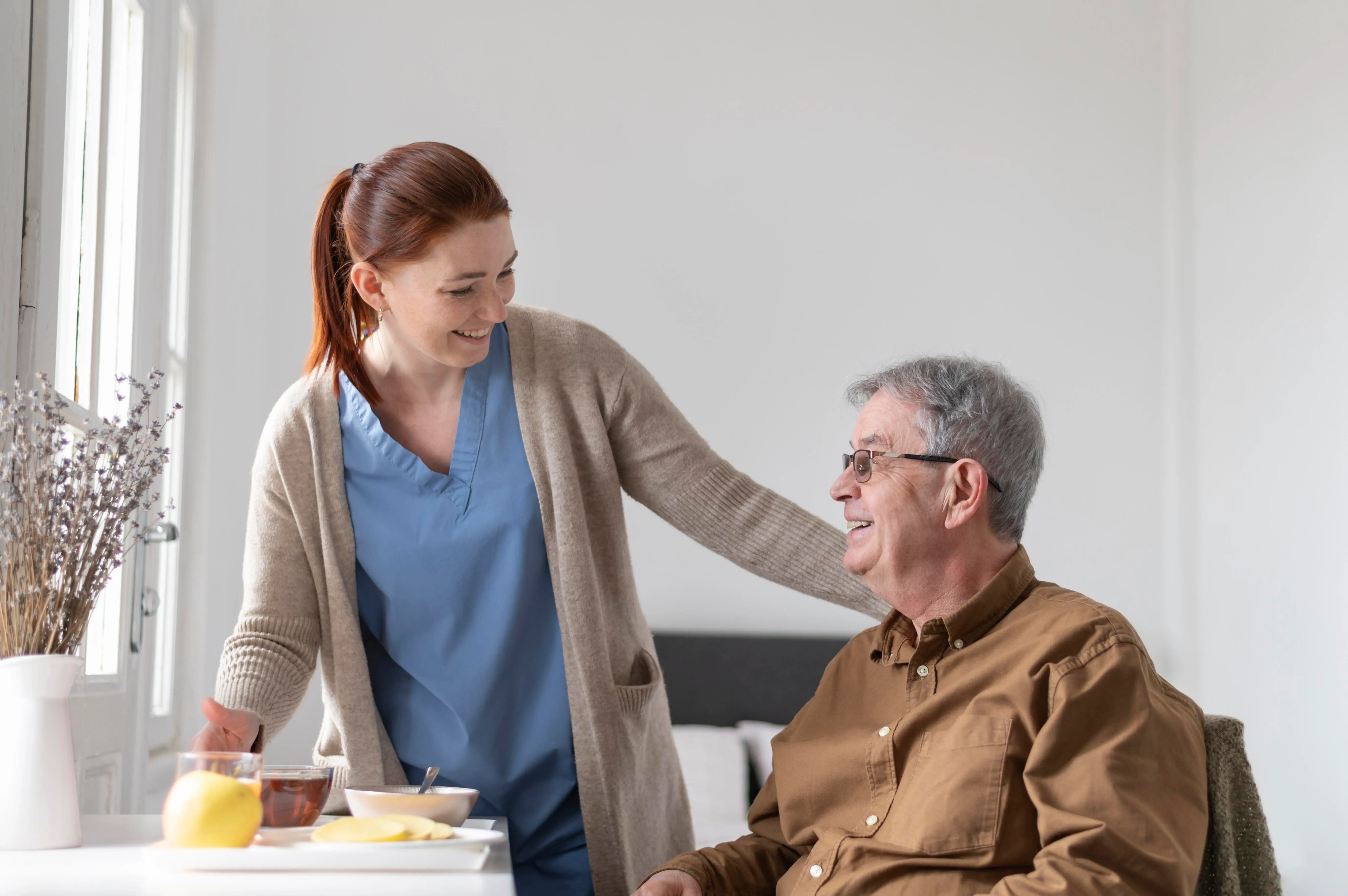
Deciding on long-term care for a family member is one of the hardest and most emotional things a family can do. When loved ones get older or have long-term health problems, it's clear that they need help, but it's not always clear what to do next. Most of the time, the main choices come down to two: either arranging for personal care in the comfort of their own home or moving them to a facility that specialises in care.
There are pros and cons to both paths. There is no one right answer for everyone. The best choice depends on the person's needs, finances, personality, and the family's ability to help. This article will help you make this important choice by giving you a fair comparison of home care and care facilities. It will look at important factors like cost, quality of care, emotional well-being, and social engagement
The Case for Personal Care at Home
In-home care, also known as personal care at home, is when professional carers come to a person's place to help them with everyday tasks. It could mean a few hours a week of companionship and light housekeeping or 24/7 medical care from registered nurses
Get Personalised Care Services at Affordable Rate
Pros of Personal Care at Home
Here are some key advantages of personal caring at home
Comfort and Familiarity
The best thing about in-home care is that it lets people stay in their own homes. Their home is a safe place where they can remember things and keep their things. This continuity can make a big life change much less stressful and anxious, which can make you feel safer and healthier
Individualised, One-on-One Care
When carers come to your home, they only care for one client at a time. However, this makes it possible to give very personalised care that meets each person's specific needs, routines, and preferences. An in-home carer can easily help your loved one if she likes to sleep in and have breakfast at 10 a.m. It is hard to get this level of personalised care in a facility where staff have to take care of more than one resident at a time
Greater Independence and Autonomy
Staying at home gives people more freedom and independence. They can keep doing things like managing their own time, eating what they want, and doing their hobbies. This feeling of control is very important for self-esteem and can have a big positive effect on mental health
Memory Loss Slows Down
People with early to mid-stage dementia may benefit from staying in a place they know. Their home's routine and familiar layout can help them get through their days more easily and may slow down the cognitive decline that comes with being confused in a new place
May Be Cheaper in Some Situations
In-home care can be more affordable than the all-inclusive monthly fee of a residential facility if the level of care needed isn't very high. For example, if you only need a few hours of help each day with bathing, meal prep, and medication reminders.
Cons of Personal Care at Home
Here are some key disadvantages of personal caring at home
Cost Can Escalate Quickly
In-home care can be cheaper for people with limited needs, but the price goes up quickly as the need for help grows. A care facility is often much less expensive than having a team of professional carers look after you all the time
Home Safety and Modifications
A home must be safe for someone who has trouble moving around or thinking clearly. It could mean making expensive changes, like putting in grab bars, wheelchair ramps, or stairlifts. Families should also think about possible dangers, like steep stairs or messy areas that could cause falls
Social Isolation
One of the biggest risks of getting older at home is being alone, especially if the person lives alone and can't move around much. A carer can keep you company, but they can't take the place of a lively group of friends. Not having enough social interaction can make you feel lonely and depressed. For instance, a father who used to be the life of the party may now feel like his world is getting smaller and smaller, with only his home and his carer to talk to and do things with
Carer Reliability and Management
You need to keep an eye on in-home care. Families need to hire a trustworthy agency or person, keep track of schedules, and have backup plans in case a carer calls in sick. This logistical burden can be stressful for family members who are already juggling their own jobs and responsibilities
Limited Access to On-Site Medical Support
For people with complex or unpredictable medical needs, home may not be the safest place to be. In a personal care facility, nurses and other medical staff are usually on call 24 hours a day, seven days a week, to deal with emergencies. If there is an emergency at home, you need to call someone, and the time it takes for them to get there can be very important
The Case for Care Facilities
Personal care facilities, such as assisted living, memory care units, and skilled nursing facilities, offer a structured setting where residents get all the help they need
Pros of Care Facilities
Here are some key advantages of care facilities
Built-in Social Community
The built-in community is the best thing about a care facility. During meals, planned activities, and informal get-togethers, residents can interact with each other every day. It can help older adults who are lonely, which is bad for their health. A resident might find a new love for painting or join a walking club, things they would not have done alone at home
24/7 Support and On-Site Medical Staff
Facilities give you peace of mind by having staff on site all the time. There is always someone available to help with an unexpected fall, a sudden health problem or personal needs, no matter what time of day or night it is. Many places have nurses and other medical professionals on site so that health issues can be dealt with right away
Safety and Accessibility
Safety and accessibility are the most important things to think about when designing a good facility. They have single-level layouts, emergency call systems in every room, walk-in showers, and other safety features that lower the chance of accidents. This specially designed space is often safer than a normal family home
Help with Household Chores
Moving to a facility means you don't have to worry about cooking, cleaning, doing laundry, or taking care of your home anymore. It gives the resident more time and energy to spend on their hobbies and health. It also takes these tasks off the hands of family members, giving them more time to spend with their loved one instead of doing household chores
Structured Activities and Amenities
Good facilities have a lot of activities planned to keep residents busy physically, mentally, and socially. These can be things like group outings, art workshops, educational lectures, fitness classes, and musical performances. This structure gives you a sense of routine and purpose, which are important for your mental health
Cons of Care Facilities
Here are some key disadvantages of care facilities
Loss of Independence and Familiarity
Moving to a facility is a big change in life that means giving up a home and a way of life that you know well. If you value your independence, the structured environment with set meal times and routines may feel limiting. This change can have a big effect on your emotions
Variable Quality of Care
The level of care can be very different from one facility to the next. While many give great personal care, some may not have enough staff, which can lead to impersonal service and possible neglect. Families need to thoroughly check out any facility by making unannounced visits and looking at inspection reports
Impersonal Care Model
Staff members at a facility are in charge of a lot of residents. They may be caring and professional, but they can't give the same level of one-on-one attention as an in-home carer. A resident may have to wait for help, and their personal preferences may not always be taken into account
High, All-Inclusive Cost
The cost of living in a care home is very high. This fee includes housing, meals, care, and activities all in one monthly payment, but it can be a big financial burden for many families. Especially skilled nursing care can cost a lot of money
Hard to Adjust
Some people never really get used to living with other people. They might miss their privacy, not like the food, or have trouble making friends with other residents. For someone who is shy and likes to be alone, being around other people all the time can be tiring instead of comforting
How to Choose the Best Option
The best choice depends on carefully thinking about the specific situation of your loved one. Think about these things
1. Level and Type of Care Needed
Have a doctor or geriatric care manager look at you first. Do they mostly need someone to be with them and help them with everyday tasks, or do they have complicated medical needs that require skilled nursing? For example, a person with severe dementia who wanders around is probably safer in a secure memory care unit than at home. On the other hand, a person who is physically weak but mentally sharp might do well at home with some help
2. Financial Resources
Be honest with yourself about your budget. Find out how much personal care will cost by figuring out how many hours a week you need it and then comparing that to the monthly fees of local facilities that include everything. Look into ways to pay for things like long-term care insurance, veterans' benefits, or Medicaid
3. Personality and Social Needs
Think about the personality of the person you care about. Are they a social butterfly who likes being around other people, or are they a private person who likes being alone? Think about this situation: two sisters both need help. One of them is a retired teacher who loves book clubs and is doing well in an assisted living facility. The other person, who has always loved to garden and loves her backyard, is much happier and healthier living at home with the help of a carer
4. Family Support System
Figure out what the family can actually do to help. Do you live close by and have the time to handle carers and emergencies? Or does the family need the full range of support that a facility can offer? Putting all of this stress on one family member can lead to burnout and strained relationships
5. Home Environment
Check to see if the home is safe and good for you. Does it have stairs, or is it just one floor? Is it easy to change? A person who has trouble moving around may be safer and more comfortable in a facility that was built just for them
A Hybrid Approach
It's also important to remember that the choice isn't always final. A lot of families start with in-home care and then move to a facility when their needs become more serious. Some people might use short-term stays at a facility to give family carers a break. The path to care is often changing, and what works best today might not work best a year from now.
In the end, the choice between getting personal care at home or in a facility is very specific. You can make a kind and well-informed choice that respects your loved one's dignity and improves their quality of life by carefully weighing the pros and cons in light of their health, personality, and finances. The most important thing you can do to make sure the path you choose is right for your loved one is to talk to them openly whenever you can
Final Words
One of the most important choices families will have to make when helping a loved one with long-term care is whether to provide personal care at home or at a care facility. There are pros and cons to both options. Staying at home is comfortable and gives you more freedom, while a residential facility is safe and has a social environment. Before making a choice, it's important to look at the person's specific needs, financial situation, social preferences, and family support that is available.
There is no one-size-fits-all answer, and as things change, a mix of approaches may be best. If you make sure to communicate openly and include your loved one in the process, you can make sure that the decision is based on respect, compassion, and a real understanding of what will improve their quality of life. Families can make a smart choice that makes everyone feel safe and at ease by taking the time to do their research, talk to experts, and think about all the factors.
Do you want professional personal care for you or your loved ones? Just contact us for further details.