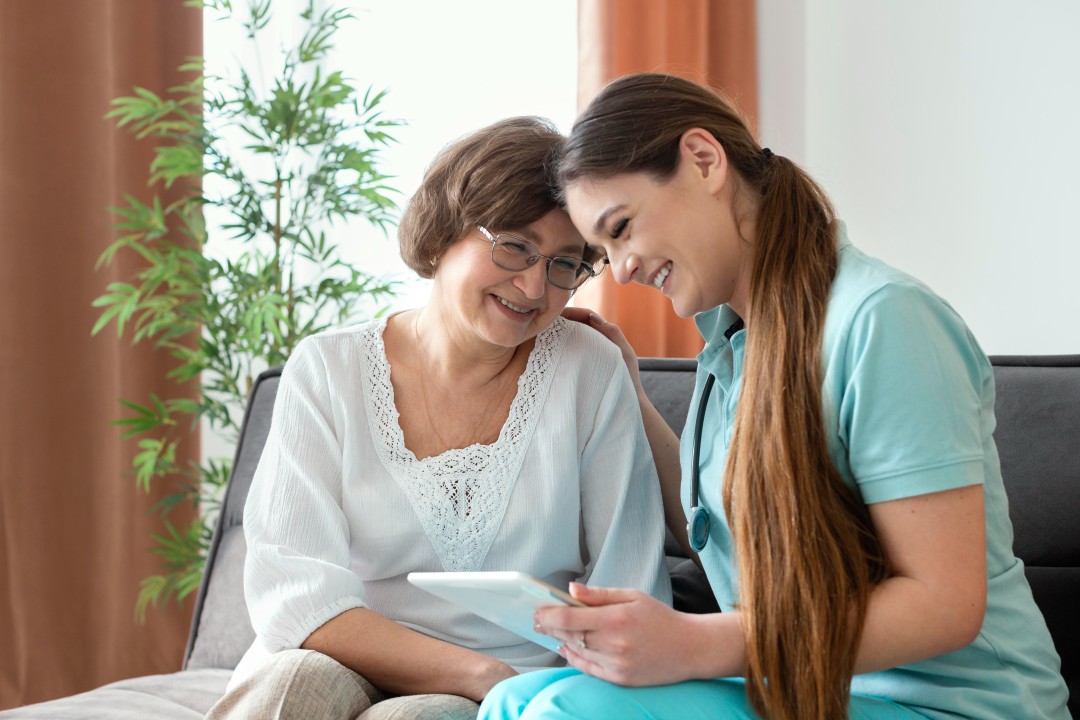
Caring for an ageing loved one is a journey marked by love, challenges, and profound responsibility. As family members and caregivers, we often focus on keeping our seniors "safe," but true safety extends far beyond preventing falls or managing medications. The personal care encompasses a holistic approach to their daily life, centring on three critical pillars: hygiene, nutrition, and mobility.
These three components of personal care are deeply interconnected. Poor nutrition can lead to muscle weakness, which affects mobility. Limited mobility can make maintaining hygiene difficult. And poor hygiene can lead to infections that affect appetite and energy. By addressing these three areas with intention and care, we can significantly enhance the quality of life for the seniors we cherish.
This article explores practical strategies for managing these core components, offering actionable advice to help you provide the best possible care
1. Hygiene: Preserving Dignity and Health with Personal Care
Hygiene is often the most sensitive topic for seniors. It is not just about cleanliness; it is about dignity. Losing the ability to bathe or groom oneself can feel like a loss of independence. For personal care providers, navigating this resistance while ensuring health standards are met requires patience and empathy
The Importance of Routine
Routine is your best ally. Establishing a predictable schedule for bathing, grooming, and oral care reduces anxiety. For example, when a senior knows that which days are for showers, it becomes a normal rhythm of life rather than a sudden, unwelcome event
Bathing and Skin Care
As we age, our skin becomes thinner, drier, and more prone to tearing. Daily full showers might not be necessary and can actually strip the skin of essential oils.
Practical Tip: Opt for sponge baths on non-shower days to keep key areas clean without drying out the skin.
Safety First: The bathroom is the most dangerous room in the house. Install grab bars, use a sturdy shower chair, and ensure non-slip mats are in place inside and outside the tub. A handheld showerhead can make the process much easier for both you and your loved one.
Temperature Check: Seniors often have decreased sensitivity to temperature. Always test the water yourself before they step in to prevent scalds or chills.
Oral Health: The Gateway to Wellbeing
Oral hygiene is frequently overlooked in personal care for seniors, yet it is vital. Gum disease has been linked to heart disease, diabetes, and pneumonia.
Actionable Advice: If your loved one has dentures, ensure they are cleaned daily and fit properly. Poorly fitting dentures can cause pain, leading to poor nutrition because eating hurts. For those with natural teeth, an electric toothbrush with a large handle can be easier to grip and more effective than manual brushing.
Incontinence Management
This is a delicate subject, but crucial for preventing skin breakdown and infections. If incontinence is an issue, frequent checks and immediate changing are necessary. Using barrier creams can protect fragile skin from moisture. Approach this task with a matter-of-fact attitude to minimise embarrassment for your loved one
2. Nutrition: Fuelling the Body for Vitality
Nutrition for seniors isn't just about calories; it's about nutrient density. As metabolism slows and activity levels decrease, seniors need fewer calories but arguably more nutrients to maintain bone density, muscle mass, and cognitive function
The Challenge of Changing Appetites
Many seniors experience a loss of appetite or a change in taste buds. Medication side effects can make food taste metallic or bland. Depression or loneliness can also lower the desire to eat
Strategies for Better Eating
Instead of forcing three large meals, try a different approach.
Small, Frequent Meals: Five or six small meals might be less overwhelming than a large dinner plate.
Flavour Boosters: Use herbs, spices, and lemon juice to enhance flavour without relying on excessive salt, which can aggravate high blood pressure.
Hydration is Key: Dehydration is a major risk for seniors and can lead to confusion, urinary tract infections, and constipation. Seniors often lose their sense of thirst. Don't wait for them to ask for water. Offer fluids regularly throughout the day.
Nutrient-Dense focus
Focus on the "power players" of senior nutrition:
Protein: Essential for wound healing and maintaining muscle mass. Incorporate eggs, yoghurt, lean meats, or beans into every meal. Soft proteins like scrambled eggs or fish are great for those with dental issues.
Calcium and Vitamin D: Critical for bone health. Fortified milk, cheese, and leafy greens are good sources.
Fibre: Digestive systems slow down with age. Whole grains, fruits, and vegetables help prevent constipation. However, introduce fibre gradually and ensure it’s accompanied by plenty of water.
Making Meals Social
Eating is a social activity. A senior eating alone in front of a TV is less likely to finish their meal than one eating with a companion. If you can’t be there for every meal, consider meal delivery services that offer some social interaction, or arrange for other family members to visit during mealtimes
3. Mobility: Keeping the Body in Motion
"Use it or lose it" is a cliche for a reason. Mobility is the cornerstone of independence. It affects the ability to socialise, use the bathroom alone, and maintain morale. Even limited movement has profound benefits for circulation, digestion, and mental health
Overcoming the Fear of Falling
The fear of falling often causes seniors to restrict their activity, which ironically leads to muscle atrophy and increases the risk of falling. It is a vicious cycle.
Actionable Advice: Address the fear directly. Work with a physical therapist to determine safe limits. Sometimes, using an assistive device like a cane or walker provides the psychological confidence needed to keep moving.
Exercise for Every Ability Level
Exercise doesn't mean hitting the gym. It means meaningful movement adapted to ability.
Chair Exercises: For seniors with limited balance or stamina, chair yoga or seated aerobics can keep joints flexible and heart rates up safely.
Walking: A short daily walk, even just down the hallway or around the garden, helps maintain stamina.
Strength Training: Light resistance bands or small dumbbells can help preserve muscle mass. Stronger muscles support joints and improve balance
Creating an Accessible Environment
Mobility is often hindered by the environment. Look at your home through the eyes of someone with limited agility.
Clear the Path: Remove loose rugs, electrical cords, and clutter from walkways.
Lighting: Ensure hallways and stairwells are brightly lit. Nightlights are essential for those midnight trips to the bathroom.
Furniture Layout: Arrange furniture to create wide, clear paths. Ensure chairs are not too low; a higher seat is much easier to stand up from
The Holistic Connection: Putting It All Together
You cannot effectively treat hygiene, nutrition, and mobility in silos. They are part of a single ecosystem.
Consider this scenario: A senior who is nourished with high-protein meals will have the muscle strength for better mobility. Better mobility allows them to walk to the bathroom independently, making hygiene management easier and more dignified.
Conversely, a senior with poor oral hygiene (painful teeth) will avoid eating tough proteins or crunchy vegetables, leading to poor nutrition. This malnutrition causes muscle wasting, which restricts mobility and increases fall risk.
The Personal Care Provider’s Role: Observation and Adaptation
As a personal care provider, your role is that of an observer and adapter. You are the detective noticing that Mom isn't eating her steak (maybe her dentures hurt?) or that Dad is skipping his evening wash (maybe the bathroom is too cold?).
Keep a Journal: Tracking these three areas can reveal patterns. If you notice mobility is worse on days when hydration is low, you have a clear, actionable solution.
Involve the Senior: Whenever possible, give them choices. "Would you like chicken or fish for dinner?" "Do you want to wear the blue shirt or the red one?" "Shall we walk before or after lunch?" Retaining agency is crucial for mental health
When to Seek Professional Help
You don't have to do this alone. If hygiene battles are damaging your relationship, hiring a home health aide just for bathing can restore your role as a loving family member rather than a taskmaster. If nutrition is a constant worry, a consultation with a geriatric nutritionist can provide tailored meal plans. If mobility is declining rapidly, physical and occupational therapy are essential interventions to address this decline.
Final Words
Caring for a senior is a marathon, not a sprint. By focusing on these core components, Hygiene, Nutrition, and Mobility, you are building a strong foundation for their well-being. It is about small, consistent actions: the extra glass of water, the grab bar in the shower, the ten-minute walk in the sun. These acts of personal care do more than just sustain life; they enrich it. They tell your loved one that they are valued, safe, and seen.
Are you looking for a professional personal care provider? Well, you can always contact us for a customised care plan.