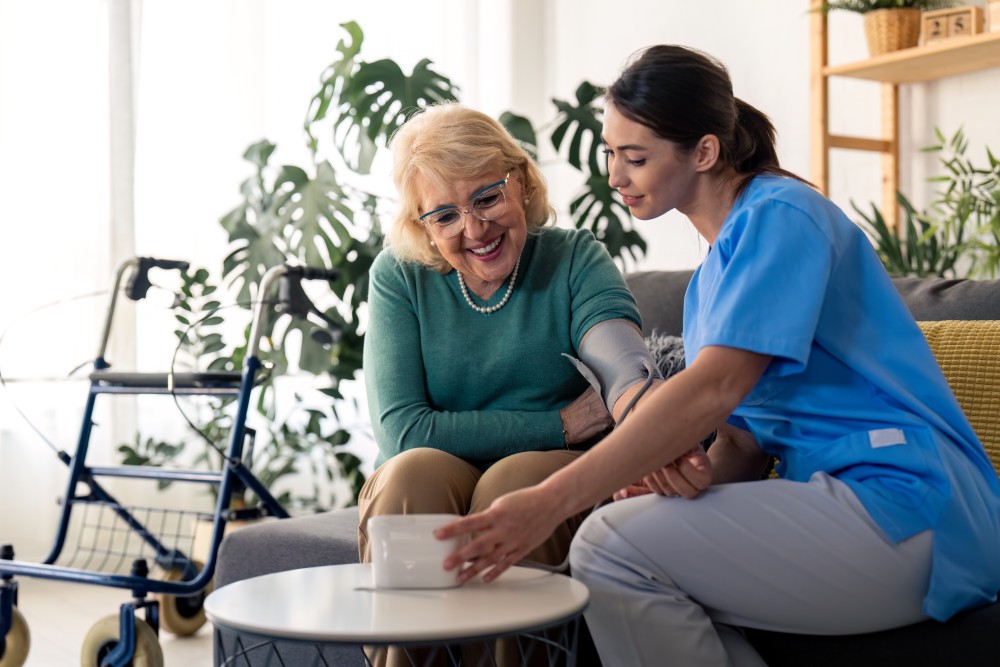
There is no place quite like home. It holds our memories, our comforts, and the small daily rituals that make life feel like our own. For many older adults, the thought of leaving that familiar space can feel like losing a part of themselves. The good news is that aging no longer means giving up independence or moving away from everything you love. Thanks to thoughtful, personalised home care services, more older adults than ever are staying in their own homes, on their own terms, with their dignity firmly intact.
Home care has quietly transformed how we support older people. Rather than asking them to fit into a one-size-fits-all system, they bring tailored support directly to their doorstep. The result is a gentler, more respectful way of ageing, one that puts the person at the very heart of their own care.
How Home Care Services Help People Stay in Familiar Surroundings
For most of us, home is more than four walls. It is the chair by the window where you read every morning, the garden you have tended for decades, and the kitchen where you have cooked countless meals. These surroundings carry deep emotional meaning, and they offer comfort that no new environment can easily replace.
Home care allows older people to remain exactly where they feel most secure. Familiar spaces reduce confusion and anxiety, which is especially important for those living with dementia or memory difficulties. When the world feels uncertain, knowing where everything is and being surrounded by treasured belongings can be wonderfully grounding.
Staying at home also means keeping a connection to the local community. A short walk to the corner shop, a chat with a long-standing neighbour, or attending a familiar faith service all help maintain a sense of belonging. These connections matter enormously for emotional well-being, and home care makes them possible to continue.
Maintaining Daily Routines
Routines bring structure and a comforting rhythm to everyday life. The time you wake up, how you take your tea, and when you enjoy your favourite television programme are deeply personal and often built over a lifetime.
Residential settings sometimes require people to follow fixed schedules that suit the institution rather than the individual. Home care services turn this around. Carers work around the person's preferences, not the other way around. If someone likes a leisurely start to the day, there is no rush. If they prefer a late supper, that is perfectly fine.
This flexibility might seem like a small thing, but it makes an enormous difference. Keeping your routine means keeping a sense of who you are. It tells the person that their preferences still matter and that their way of doing things deserves respect.
Making Choices and Keeping Control
One of the most distressing parts of growing older can be the feeling that choices are slowly being taken away. Decisions about meals, activities, and daily life can start to be made by others, and with each one, a little independence slips away.
Good home care services are built on the opposite principle. They support people to keep making their own decisions for as long as possible. What to wear, what to eat, when to rest, and how to spend the day, these choices remain in the hands of the person receiving care.
Professional carers are there to assist, not to take over. They might help prepare a meal, but the person decides what is on the menu. They might offer a steadying arm on a walk, but the person chooses where they would like to go. This careful balance preserves autonomy while still providing the support that is genuinely needed.
How Home Care Services Support Daily Living Without Removing Independence
The most skilled carers understand a simple truth: helping someone is not the same as doing everything for them. The goal is to support, encourage, and step in only where necessary.
Take personal care as an example. Carers might help someone wash and dress, but they do so in a way that protects privacy and dignity at every moment. They encourage the person to do whatever they can manage themselves, offering help only with the parts that have become difficult. This approach keeps people active and involved, rather than passive recipients of care.
The same applies to household tasks. A carer might help with the laundry or a spot of cleaning, freeing the person to spend their energy on the things they enjoy. Practical support from home care like this removes daily struggles without removing the person's role in their own home.
Companionship and Emotional Well-Being
Loneliness is one of the quietest yet most serious challenges facing older people today. Spending long hours alone can affect both mental and physical health, leading to low mood, anxiety, and a sense of isolation.
Home care services bring more than practical help. They bring a genuine human connection. A carer who visits regularly becomes a familiar, friendly face, someone to share a cup of tea with and a conversation. They might listen to stories from years gone by, share a laugh over the morning crossword, or simply sit and keep company.
These moments of companionship lift the spirits in ways that are hard to measure but easy to feel. For many older people, knowing that someone will be popping round gives the day a sense of purpose and something to look forward to. Over time, these relationships often grow into trusted, meaningful bonds.
Safety Without Sacrificing Freedom
Worries about safety are often what prompt families to consider extra support. Falls, missed medication, or difficulties around the home can cause real concern. Yet safety should never come at the cost of freedom.
Home care services strike this balance with care and skill. Trained carers can help manage medication, keep an eye out for hazards, and assist with mobility, all while allowing the person to keep living their life. Small adjustments, such as installing grab rails or improving lighting, can make a home far safer without making it feel clinical.
Crucially, support is matched to the individual. Some people need only a little help, perhaps a few visits a week. Others benefit from daily or even round-the-clock care. As needs change, home care can adapt too, so the right level of help is always in place.
Peace of Mind for Families
When an older relative needs more support, families often feel torn. They want to help, but work, distance, and their own commitments can make it difficult to be there as much as they would like. The worry can be constant and exhausting.
Professional home care services lift much of this weight. Knowing that a trained, caring person is checking in regularly brings enormous reassurance. Families can relax, confident that their loved one is safe, well looked after, and not alone.
It also changes family relationships for the better. Instead of spending precious visits worrying about chores and medication, family members can enjoy being together. A son can be a son again, rather than an exhausted carer. A daughter can share a happy afternoon rather than a list of tasks. Home care services give families back the gift of quality time.
Dignity, Trust, and Quality of Life
At its very heart, good home care services are about treating people with the respect they deserve. Every individual has a lifetime of experiences, achievements, and wisdom behind them. They are parents, grandparents, friends, and former colleagues with rich stories to tell.
The best carers never lose sight of this. They take time to get to know the person, understanding their history, their likes and dislikes, and what matters most to them. This knowledge shapes care that feels personal and warm, rather than rushed or routine.
Trust grows naturally from this approach. When someone feels listened to and respected, they feel comfortable accepting help. That trust forms the foundation of a relationship that genuinely enhances quality of life. The person feels valued, safe, and understood, and that makes all the difference.
Final Words
Growing older brings change, but it need not mean losing the things that make life meaningful. With the right support, older adults can continue living in their own homes, following their own routines, and making their own choices, surrounded by everything and everyone they love. Home care services offer exactly this.
They provide practical help where it is needed while protecting the independence, dignity, and freedom that everyone deserves. They ease worry for families and bring warmth and companionship into daily life.
Choosing home care is choosing a kinder, more respectful way to age. It says that getting older does not mean giving up control or losing your sense of self. Instead, it means living life on your own terms, with a little extra support along the way and the dignity that has always been yours.
Do you want home care services that are more than a support? Just contact us for more information.