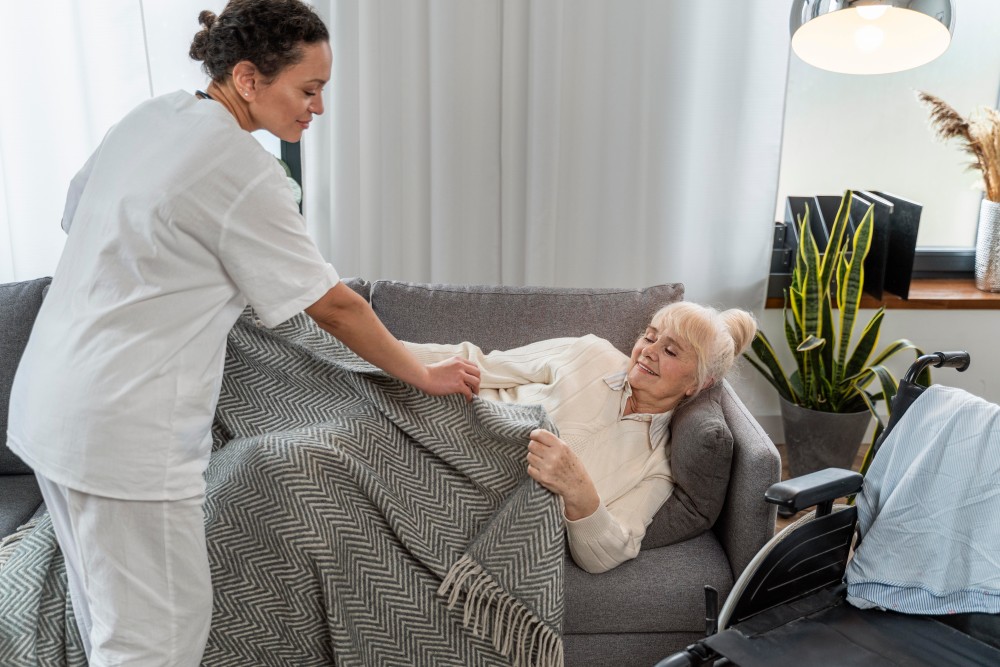
Picture two people who share the very same diagnosis. On paper, their needs might look identical. Yet one loves an early morning walk before breakfast, takes their tea with two sugars, and feels happiest pottering in the garden. The other prefers a lie-in, can't stand the taste of tea, and lights up when music fills the room. Same condition, completely different lives! This is exactly why brilliant personal care can never be a one-size-fits-all affair.
A truly good personal care plan starts with a simple but powerful idea: the person comes first. Their condition matters, of course, but it's only one chapter of a much richer story. Let's explore how thoughtful, person-centred planning makes all the difference, and why it leads to happier, healthier outcomes for everyone involved.
What "Person-Centred" Personal Care Really Means
Person-centred personal care means seeing the whole human being, not just a list of symptoms or a label on a chart. It's about asking, "Who is this person? What do they love? What makes them feel like themselves?" before reaching for a clipboard of clinical tasks.
When care is built this way, it respects someone's history, personality, relationships, and hopes. It honours the fact that every individual has their own rhythm and routine. A diagnosis might explain certain needs, but it never defines a person's entire identity. And honestly? That's where the magic happens.
Think of it like tailoring a beautiful suit. Off-the-peg might technically fit, but a made-to-measure approach feels comfortable, looks right, and gives the wearer confidence. Care should be cut to fit the individual perfectly.
Why Listening Comes First
Here's a little secret that great carers know well: the best personal care plans begin with listening, not talking.
Before any support is offered, take the time to really hear the person. What worries them? What brings them joy? How do they like things done? You'd be amazed at how much you learn simply by sitting down, sharing a cuppa, and giving someone your full attention.
Listening also means noticing the small things. Maybe someone always wants their curtains opened first thing because they adore watching the birds. Perhaps another person feels anxious if their belongings are moved without warning. These details may seem tiny, but they shape how safe and respected a person feels every single day.
Involving the Individual in Every Decision
Nobody likes having decisions made for them, do they? We all want a say in our own lives, and that doesn't change because someone needs extra support.
A good personal care plan treats the individual as the expert on themselves. They should be involved in choices about how, when, and where their care happens. It might include:
Choosing their daily routine - what time they wake, eat, bathe, and rest
Deciding who provides their care - including preferences around gender or familiar faces
Selecting how tasks are carried out - a shower or a bath, breakfast in bed or at the table
Setting personal goals - staying independent, reconnecting with hobbies, or maintaining friendships
When people help shape their care, something wonderful happens. They feel more in control, more confident, and far more willing to engage. Involvement isn't just polite, it's powerful.
For those who find communication difficult, decision-making can still be shared. Family members, advocates, and familiar carers can all help capture someone's wishes. The aim is always the same: keep the person at the heart of every choice.
Tailoring Support to Real Daily Life
Life doesn't happen in neat, tidy boxes, and neither should personal care. The best plans wrap gently around a person's existing lifestyle rather than forcing them to fit a rigid schedule.
Imagine someone who has been a night owl their whole life. Asking them to be washed and dressed by 8 am simply because it suits a rota would feel jarring and unkind. A person-centred approach respects their natural rhythm instead. Late riser? No problem! Their care flexes to suit them.
Tailoring support also means thinking about the things that make a house feel like a home. Favourite meals. Beloved pets. A treasured armchair by the window. Care isn't only about washing, dressing, and medication; it's about preserving the comforts and habits that bring genuine pleasure.
A few ways to tailor personal care beautifully:
Map out a typical day with the person and build support around their natural flow.
Honour cultural and religious practices, from dietary needs to prayer times and traditions.
Keep familiar products and routines - the same soap, the same order of getting ready.
Stay flexible, because needs and moods can shift from day to day.
When care fits seamlessly into someone's everyday life, it stops feeling like an intrusion and starts feeling like genuine support from a trusted friend.
Caring for Emotional Well-being, Not Just Physical Needs
Here's something that often gets overlooked: feelings matter just as much as physical health. A person might be perfectly clean, well-fed, and medicated, yet still feel lonely, frustrated, or sad. That's why emotional well-being sits right at the heart of excellent personal care.
A warm smile, a shared laugh, a moment of genuine connection, these things lift the spirit in ways no checklist ever could. Good care nurtures confidence, reduces anxiety, and helps people feel valued.
Dignity plays an enormous role here, too. Supporting someone with intimate tasks requires sensitivity, patience, and respect. Small gestures make a big difference: closing the door for privacy, asking permission before helping, and explaining each step gently. These moments protect a person's pride and remind them that they are seen as a person first, always.
Don't forget the importance of meaningful activity, either. Encouraging hobbies, conversations, and connections with loved ones keeps life rich and joyful.
Preserving Independence and Identity
One of the loveliest goals of person-centred personal care is helping people do as much as they can for themselves. Independence is precious! Even small acts, such as buttoning a shirt, brushing their own hair, and choosing an outfit, help a person feel capable and proud.
A thoughtful care plan looks for every opportunity to support, rather than take over. Instead of doing everything for someone, a good carer asks, "How can I help you do this yourself?" That subtle shift makes a world of difference to someone's sense of self.
Identity matters enormously here, too. The person you support has lived a whole, fascinating life, full of careers, adventures, families, and passions. Celebrating that story keeps their personality alive and reminds everyone that they are so much more than their care needs.
Why a Holistic Approach Leads to Better Outcomes
So, does all this extra thoughtfulness actually make a difference? Absolutely, and the benefits ripple out in every direction!
When personal care is built around the person, individuals tend to feel happier, calmer, and more settled. Stress and anxiety often ease. People become more willing to accept support because it feels respectful rather than imposed. Physical health frequently improves, too, as someone who feels valued is more motivated to eat well, stay active, and engage with their care.
Families feel reassured, knowing their loved one is treated as a unique individual. Carers find their work far more rewarding, building genuine relationships rather than simply ticking boxes. And the whole experience becomes warmer, kinder, and more human.
A holistic approach recognises that we are all wonderfully complex, made up of bodies, minds, hearts, and histories. Tend to the whole person, and you create care that genuinely transforms lives.
What is a personal care plan?
A personal care plan is a written plan that outlines the support a person needs, how they prefer to receive it, and what matters most to them in daily life.
What should be included in a good personal care plan?
It should include health needs, daily routines, medication, mobility support, personal preferences, communication needs, risks, goals, emergency contacts, and review dates.
Who should be involved in creating a care plan?
The person receiving care should be at the centre. Family members, carers, healthcare professionals, and advocates may also be involved where appropriate.
How often should a personal care plan be reviewed?
A care plan should be reviewed regularly and whenever the person’s needs, health, preferences, or circumstances change.
Can a care plan support independence?
Yes. A good care plan does not simply list tasks to be done for someone; it also identifies what the person can do for themselves and how carers can support independence.
What is the difference between a care plan and a care assessment?
A care assessment identifies the person’s needs, while the care plan explains how those needs will be supported in day-to-day care.
Why are personal preferences important in care planning?
Personal preferences help care feel respectful and familiar, whether they relate to food, routines, communication style, hobbies, religion, privacy, or family involvement.
How can families help with a personal care plan?
Families can share useful details about the person’s routines, history, likes, dislikes, communication style, and what helps them feel safe and comfortable.
Final Words
At its core, great personal care is beautifully simple. It's about treating people the way we'd all want to be treated, with kindness, respect, and a genuine interest in who they are.
A condition might tell you what support someone needs. But only the person can tell you how they want to live. By listening closely, involving individuals in decisions, tailoring support to real life, and nurturing emotional well-being, we create care that does so much more than manage symptoms. We help people flourish.
So, the next time you think about building a care plan, start with the person. Ask about their loves, their routines, their hopes, and their quirks. Because when care is shaped around the individual, not just their condition, everyone wins. And that, truly, is something worth celebrating!
Are you looking for quality-focused personal care? Just connect with us to get compassionate care